


How Mid-Sized Firms are Building an AI Advantage
Four mid-sized law firm leaders share how they’re using AI to extend partner expertise, build firmwide adoption, compete with leaner teams, and work with clients in new ways.
A large firm’s traditional edge was its bench: more lawyers to staff a matter and work through the details. AI is changing how much that staffing advantage matters, giving mid-sized firms new ways to put their existing expertise to work.
At Harvey FORUM Chicago, Daniel Berkowitz, Partner at Cruser Mitchell; Laura Jakubowski, Director of Knowledge Management and Innovation at Goldberg Kohn; Patrick Croke, Founding Partner and CEO at Croke Fairchild Duarte & Beres; and Sonia Menon, Chief Operating Officer at Neal, Gerber & Eisenberg, discussed what AI is changing about how mid-sized firms compete.
Their experiences point to a clear opportunity for mid-sized firms: use AI to apply their expertise across more of the work clients bring them.
Bring Partner Judgment Into More of the Work
At Croke Fairchild Duarte & Beres, the staffing model reflects a deliberate choice. The firm is comfortable with a partner-heavy structure, where a partner with decades of experience may work directly on a merger or employment agreement. Patrick Croke sees AI as a way to make that model more efficient while helping the firm train younger lawyers faster.

That approach brings client work and lawyer development together. A partner’s experience informs the agreement, while younger lawyers can learn how that judgment is applied. In this model, the work itself gives senior lawyers a way to help the next generation build the skills they’ll need to take on more responsibility.
Make AI an Ongoing Leadership Conversation
As AI’s capabilities advance, firms need to keep discussing where it fits into their work and how they want to use it. At Neal, Gerber & Eisenberg, AI is a standing agenda item at executive committee meetings every three weeks and partner meetings every two months. Sonia Menon said the discussions cover client questions, new use cases, cost, risk, and repeatability.

The conversation continues in client relationships, where senior partners are already discussing AI and helping drive its adoption. As Menon described it, the partners leading those client conversations are also helping shape how the technology is introduced across the firm.
Give Adoption a Cross-Firm Structure
When Laura Jakubowski began organizing Goldberg Kohn’s AI committee, she wanted people who were interested in the work and represented the firm’s different perspectives. That meant looking beyond lawyers to include the people who support and move legal work forward across the firm.

The committee includes at least one person from each practice group, along with partners, associates, operations staff, legal secretaries, and paralegals. Its breadth gives Jakubowski a way to hear how AI questions and opportunities look across different roles. And the structure is intentionally modest: members make a small time commitment, with no additional headcount or budget. For firms still figuring out who should be involved, Jakubowski found that a focused committee was a useful place to start.
Compete on Rates With a Leaner Team
For much of legal practice, larger firms had an advantage because they could put more people on a matter. Daniel Berkowitz sees that gap narrowing as firms of different sizes use the same AI tools.
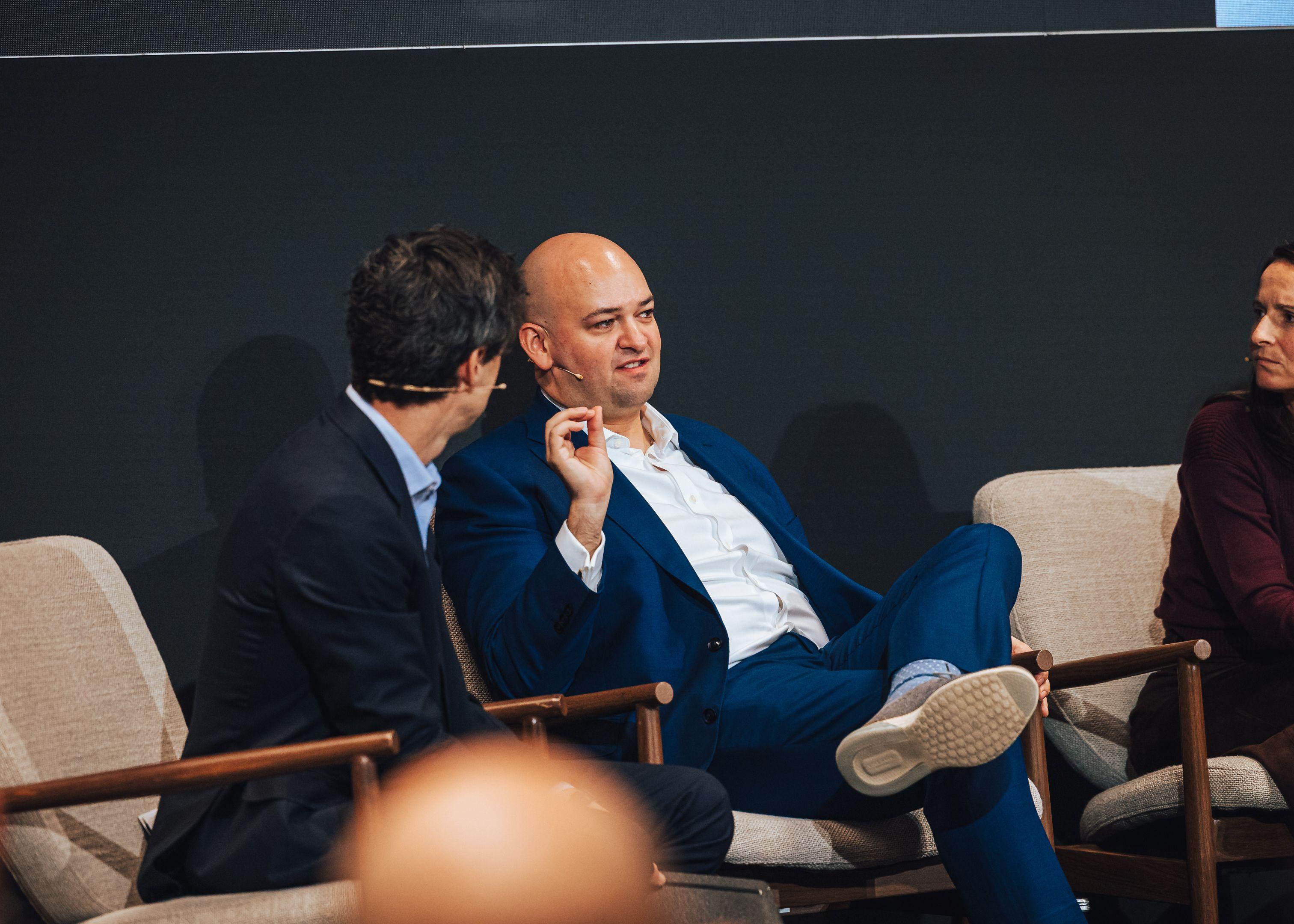
Berkowitz says clients are starting to question how many lawyers a matter requires. He points to a one-partner, one-associate team as a model that can extend to more sophisticated work. AI gives that leaner team more capacity, while Cruser Mitchell’s lower overhead helps it compete on rates. For Berkowitz, those advantages work together: the firm can take on more work without building the larger teams that once defined a big firm’s edge.
Make Client Work More Collaborative
Some clients are using AI before they send work to outside counsel; others want to share a platform with their law firm and work through matters together. Sonia Menon sees the shared approach as a way for clients and lawyers to use AI collaboratively, with the goal of improving the work itself.
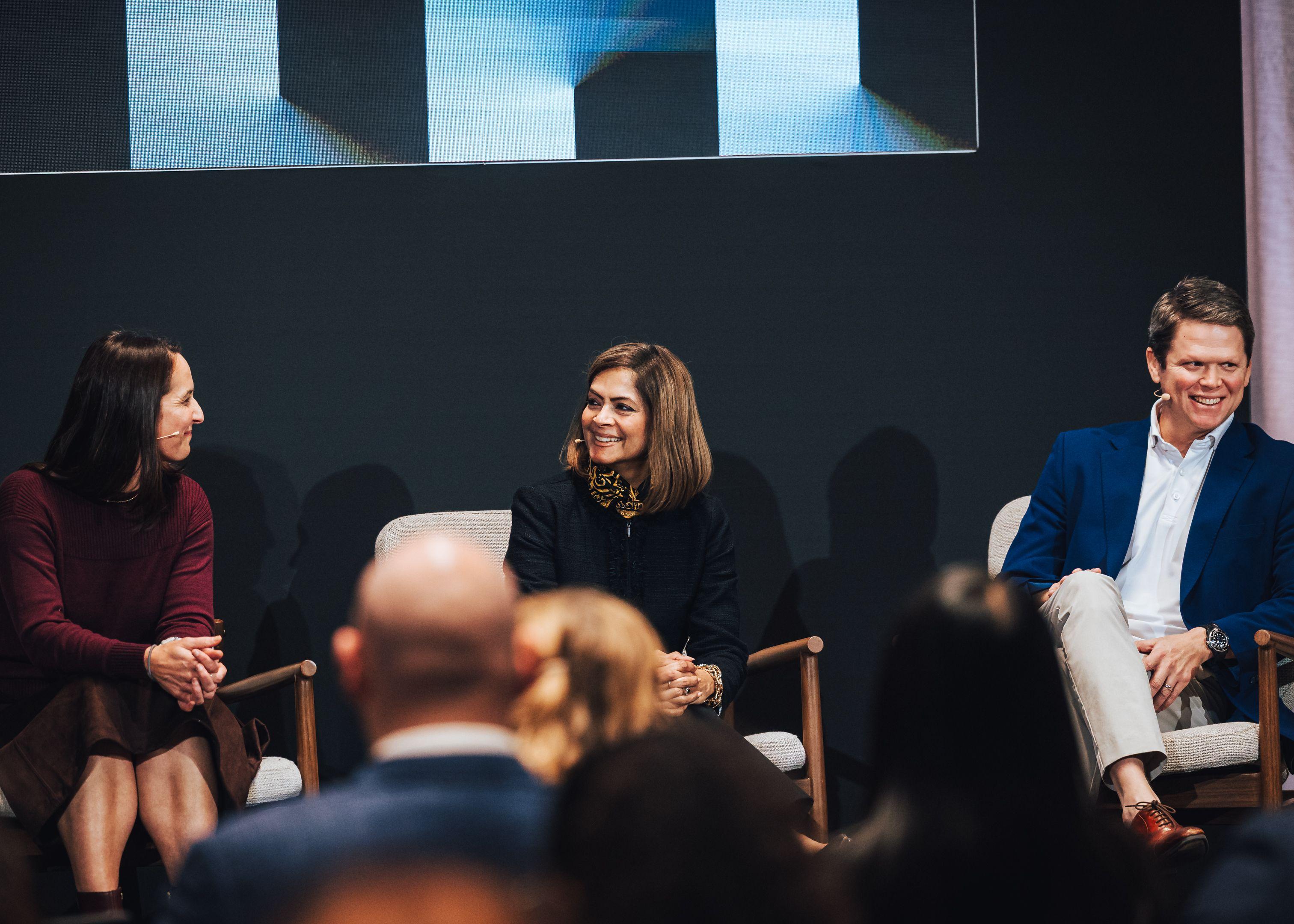
Working on a shared platform lets the firm join the client’s process, rather than engage only after the client has used AI independently. Menon describes the value as more than cost savings, since the client and firm can work together toward a stronger outcome. That puts collaboration, alongside efficiency, at the center of how AI can change the client relationship.
AI is shifting how firm size translates into capacity. For mid-sized firms, that means bringing their lawyers’ expertise to more matters and expanding what they can take on, while keeping the direct partner involvement and client relationships that shape their practice.
Read Four Legal AI Workflows to Help Mid-Sized Firms Take On More to see how firms are applying AI to document review, drafting, diligence, and matter development — and what to measure to assess the impact.