



The Year Legal AI Becomes Core Infrastructure
At Harvey FORUM, Harvey’s CEO outlined how AI is moving from experimentation to infrastructure, and what that shift means for legal teams.
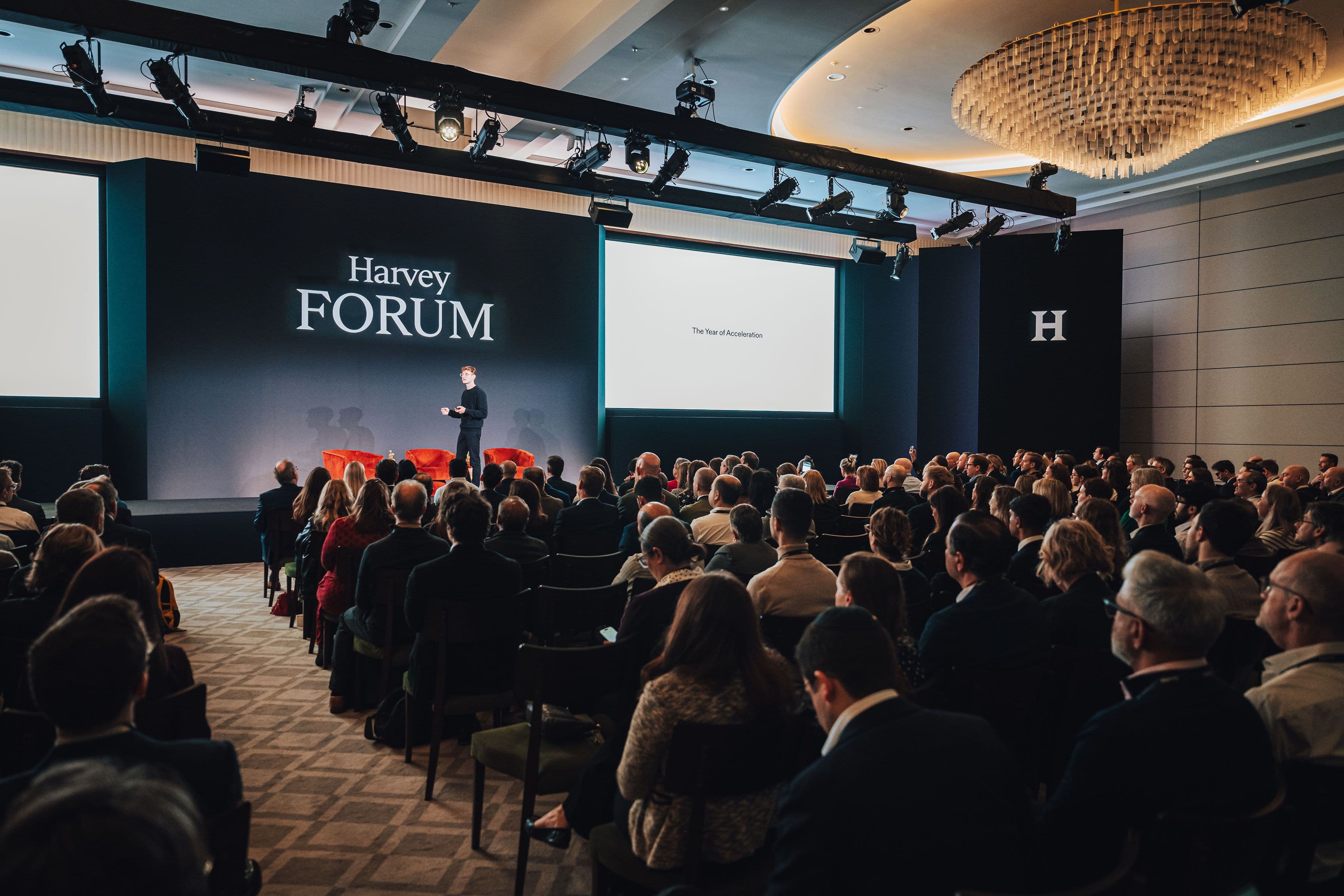
At this year’s Harvey FORUM in London, Harvey CEO Winston Weinberg opened with a clear thesis: AI in legal is moving beyond experimentation and becoming infrastructure, and the next phase will be about acceleration.
The pace of model improvements isn’t slowing, and what started as tools for isolated drafting or research are evolving into systems that reshape how legal and professional services are delivered. This requires organizations to treat AI as a core competency: investing in their people, rethinking how they train junior lawyers, and building real innovation capacity internally.
One of Winston’s announcements reflected that long-term view. Harvey is expanding its Law Schools program through a deeper partnership with Oxford University and the Blavatnik School of Government, focused not only on AI literacy but on shaping public policy and the future of legal education. The next generation of lawyers won’t just use AI, they’ll be expected to understand its limits, validate its outputs, and deploy it strategically from day one.
At the product capability level, Winston focused on the rise of long horizon agents: systems capable of executing complex, multi-step legal workflows from start to finish. In one example, a traditionally weeks-long fund formation reconciliation process was compressed into minutes through parallelized Harvey agents working across the matter.
This is where Shared Spaces in Harvey is now critical. By structuring work inside matter-specific environments where all relevant documents and communications live together, firms and in-house teams can work together and “chat with the matter” itself. AI moves from a standalone assistant to a contextual system embedded directly in live matters.
And as this capability expands, governance must expand with it. Winston announced Harvey’s partnership with Intapp, embedding ethical walls and matter-based permissions directly into Harvey. If AI is becoming foundational infrastructure, security and compliance have to be foundational from the start, too.
Taken together, these announcements signal an inflection point for the profession. Legal teams now have the opportunity to rethink how work is structured, how lawyers are trained, and how value is delivered. The organizations that move with intention — integrating AI into their daily workflows while building the right guardrails around it — won’t just adapt to what’s next, they’ll help define it.


